In today’s day and age, real estate is no longer just about phone calls and site visits. Buyers expecting faster responses, specialized communication, and convenient follow-ups. That’s where ai in real estate crm steps into the picture and makes each and every process easier for the sales teams. You don’t require to be tech-savvy to understand it—it’s simply about working smarter, not harder.
At an initial stage, artificial intelligence in crm helps real estate professionals manage leads better by responding faster, and staying organized without constant manual effort. Instead of juggling spreadsheets or forgetting important follow-ups, teams can simply depend on smart systems to keep everything well settled.
If you’ve ever wondered what ai powered crm explained really means, think of it as an intelligent assistant that helps your sales team every day. It observes buyer behavior, learns from data, and helps you make a correct decision at the right time. This is why many brokers and even developers are turning to real estate ai software to stay competitive in the real estate market and be efficient. Naturally, the big question remains—how ai improves real estate sales—and the answer lies in better speed, accuracy, and customer experience.
What Is AI in Real Estate CRM?
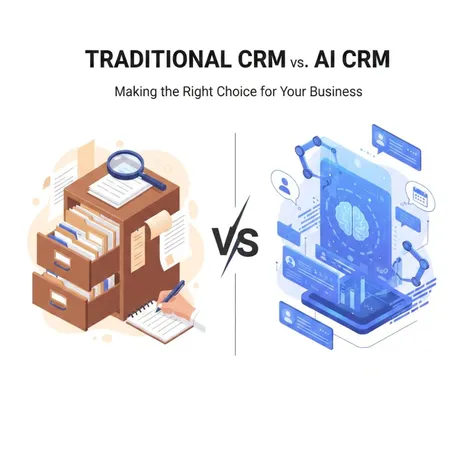
In simple terms, ai in real estate crm means upgrading your regular CRM with smart decision-making abilities. Earlier CRMs were mainly digital notebooks. Today, with artificial intelligence in crm, these systems can focus on patterns, predict the future outcomes, and suggest next steps, everything automatically.
When people look for ai powered crm explained in a beginner-friendly manner, at the heart of it, it’s about reducing guesswork. The CRM take notes from previous calls, site visits, and follow-ups. Over time, it understands what things are working and what aren’t, helping your sales team prioritize genuine buyers instead of cold leads.
Why AI Matters for Real Estate Teams
Handling hundreds of inquiries manually can be exhausting. This is where real estate ai software becomes valuable. It can sort leads, send reminders, and even alert your team when a prospect shows high interest. This directly shows how ai improves real estate sales by reducing delays and improving follow-up quality.
With ai in real estate crm, sales managers get clear visibility—who is performing well, which leads need attention, and where deals are getting stuck. Meanwhile, artificial intelligence in crm minimizes human error and ensures no opportunity slips through the cracks.
How AI Makes Daily Work Easier
One of the biggest advantages of ai powered crm explained in real-life terms is automation. Routine tasks like assigning leads, sending follow-up messages, and updating lead status happen automatically. This saves time and keeps communication consistent.
Because real estate ai software tracks buyer activity, it can suggest the best time to call or message a prospect. This is a simple yet powerful way of showing how ai improves real estate sales—better timing often leads to better conversations and higher conversions.
Real-Life Use Cases in Real Estate
Many renowned developers use ai in real estate crm to distinguish serious buyers quickly. Instead of calling every inquiry, AI ranks leads based on budget, interest and engagement level. This allows sales teams to focus wisely.
Another common use of artificial intelligence in crm is automated follow-ups. The system makes sure buyers receive timely reminders and updates without sounding robotic. When people ask for ai powered crm explained, this is often the most relatable example—no more missed follow-ups.
Getting Started for Beginners
Starting with real estate ai software doesn’t have to be complicated. Most modern CRMs already include AI features that work in the background. Once teams understand ai powered crm explained in simple language, adoption becomes much easier.
Even small teams can benefit from ai in real estate crm. With minimal training, sales executives can start using insights to improve conversations and close deals faster—clearly demonstrating how ai improves real estate sales in everyday work.
What the Future Looks Like
The future of ai in real estate crm is all about smarter decisions. As more data is collected, artificial intelligence in crm will help predict buyer intent, recommend offers, and even guide pricing strategies.
Soon, real estate ai software will not just support sales—it will help shape sales strategy. And as these tools grow, how ai improves real estate sales will become even more prominent through increased productivity and better client satisfaction.
Conclusion
Lastly, ai powered crm explained simply means having an intelligent system that helps your sales efforts. With the right real estate ai software, teams can focus more on interactions and less on mere administrative work.
For beginners, adopting ai in real estate crm is a step toward a more organized, scalable, and futuristic sales process. In a competitive market, this support can make a real difference—not by replacing people, but by empowering them.