Let’s be honest: the way we shop and talk to brands has changed forever. Think about your own habits for a second. You’re scrolling through Instagram, you see a pair of boots you love, you click the link, and maybe you get distracted. Later that night, you check the website again on your laptop. You have a quick question about sizing, so you shoot a message over WhatsApp. The next morning, you get an email with a discount code, and finally, you hit “buy.”
To you, that wasn’t four different interactions. It was just one shopping trip. But for a business, keeping up with that jumping around can be a nightmare- unless they’ve mastered the art of Omni-Channel Communication.
If you’ve ever felt like a company didn’t know who you were despite you being a loyal customer for years, you’ve experienced the “disconnected” gap. Let’s dive into how businesses are closing that gap and why it’s the secret sauce to modern success.
So, What Does It Actually Mean?
If you’ve spent any time looking for growth strategies, you’ve probably seen people search online asking what is omni channel communication. In plain English, it’s the practice of meeting your customers wherever they are, but doing it in a way that feels like one long, continuous conversation. Whether a customer reaches out via email, SMS, social media, or a phone call, the “omni” approach ensures that the person on the other end knows exactly what was said in the previous interaction. It’s about removing the “silos” where information goes to die. You might also find yourself wondering, what is an omni channel? Don’t let the jargon trip you up. Think of it as a unified ecosystem. It’s a backend setup where every single “touchpoint”—that’s fancy talk for every time a customer interacts with you is glued together. The customer doesn’t see the gears turning; they just feel like you’re actually paying attention to them. Then, there’s the marketing side. Another common question is what is omni channel marketing. This is the strategic layer. It ensures that if you’re running a 20% off sale, that message is consistent whether the customer sees it on a billboard, an Instagram ad, or an SMS alert. It’s not just about being everywhere at once; it’s about being the same version of yourself everywhere.Why Is This So Important Today?
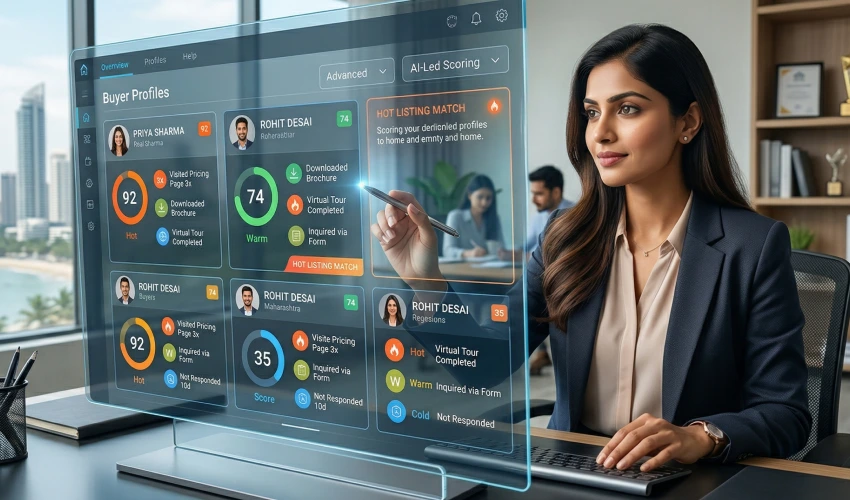
We live in an age of “I want it now.” Patience is a disappearing virtue. When a customer has a problem, they want it fixed immediately, and they definitely don’t want to repeat their account number three times to three different departments. Imagine the frustration: You explain a complex technical issue through a website chat. The agent tells you to call a support number. When you call, the new person has no record of the chat you just finished ten seconds ago. You have to start from scratch. That is the quickest way to lose a customer’s trust. That friction vanishes when a business adopts a dedicated omnichannel communication platform. These systems act as a “universal inbox.” They pull in messages from WhatsApp, Instagram DMs, emails, and SMS into one unified dashboard. The support agent can see the whole history at a glance. No more “Let me look that up for you.” They already know.The Real Difference: Multichannel vs. Omni-Channel
A lot of business owners think they’re already “omni” because they have a Facebook page and an email address. That’s actually just multichannel.- Multichannel means you are on many platforms, but they operate like independent islands.
- Omni-channel means those islands have bridges, high-speed rails, and a shared government. They talk to each other.
- Your team sees the customer’s full history instantly.
- The brand voice stays identical across every platform.
- Follow-ups happen naturally (e.g., an email follows a missed call).
- Response times plummet because data is at everyone’s fingertips.
The Customer Journey: A Smooth Ride
Let’s look at a real-world example. Suppose a potential client sees your ad on Facebook. They click it, browse, but don’t buy. Later, they get a gentle reminder email. The next day, they get a personalized WhatsApp message with a small incentive. They finally buy on your website. From the customer’s perspective, this feels like a brand that cares and is paying attention. From the business side, this is a choreographed dance powered by Omni-channel communication. It’s not an accident; it’s a deliberate effort to stay relevant without being annoying.5 Reasons Why Your Business Truly Needs This
1. Expectations Have Hit the Roof
In a world of Amazon and Netflix, consumers expect personalization. They want you to know what they like and how they want to be reached. If you can’t provide that seamless experience, they will find a competitor who can.2. Massive Internal Time Savings
Productivity kills profit when it’s wasted on manual tasks. When your team doesn’t have to toggle between fifteen browser tabs to check different apps, they get more done. Solutions like Abstract One help businesses manage this chaos by funneling everything into one clear, manageable stream.3. A Professional, “Polished” Brand Image
Nothing looks more “amateur” than giving a customer conflicting information on different platforms. Consistency creates a sense of size and reliability. It tells the customer, “We have our act together.”4. Sky-High Conversion Rates
The faster you respond, the more you sell. A lead that is responded to within five minutes is exponentially more likely to convert than one called an hour later. Integrated systems ensure no lead falls through the cracks of a busy inbox.5. Data That Actually Makes Sense
When your systems are separate, your data is messy. When they are integrated, you get a “bird’s eye view.” You can see which channels are actually making you money and where people are getting bored and leaving.Who Needs This the Most?
While everyone from local cafes to tech giants can benefit, certain industries see a massive ROI immediately:- E-commerce: Managing the chaos of orders, shipping updates, and returns.
- Real Estate: Keeping track of high-value leads across months of communication.
- Healthcare: Sending reminders and results securely and promptly.
- Education: Connecting with students on the platforms they actually use (hint: it’s not just email anymore).
Getting Started (The Non-Scary Way)
You don’t need to rebuild your whole company overnight. Start by mapping out where your customers usually find you. Is it Google? Instagram? Word of mouth? Once you know the path they take, pick a central system to tie those specific threads together. Train your team not just on the software, but on the philosophy of one-conversation service. Monitor how it goes, and add new channels only when you’re ready to integrate them fully.The Bottom Line
As we look toward a future filled with AI and even more digital noise, the businesses that survive will be the ones that stay “human.” Ironically, the best way to stay human is to use a great omnichannel communication platform that handles the technical legwork so you can focus on the relationship. When you truly grasp what omni-channel communication is, what is an omni channel, and what is omni channel marketing, you realize it’s not a tech upgrade it’s a commitment to your customer. It’s about making sure they feel seen, heard, and valued, no matter where they choose to say “hello.”